Seasonality is a major topic and a growing trend. We’re increasingly thinking about what to eat, buy, and cook, and a seasonal approach is becoming a symbol of high-quality food for the body and conscious support for local farmers and smaller suppliers. We’re learning to eat asparagus in the spring, strawberries in the summer, and pumpkin in the fall…
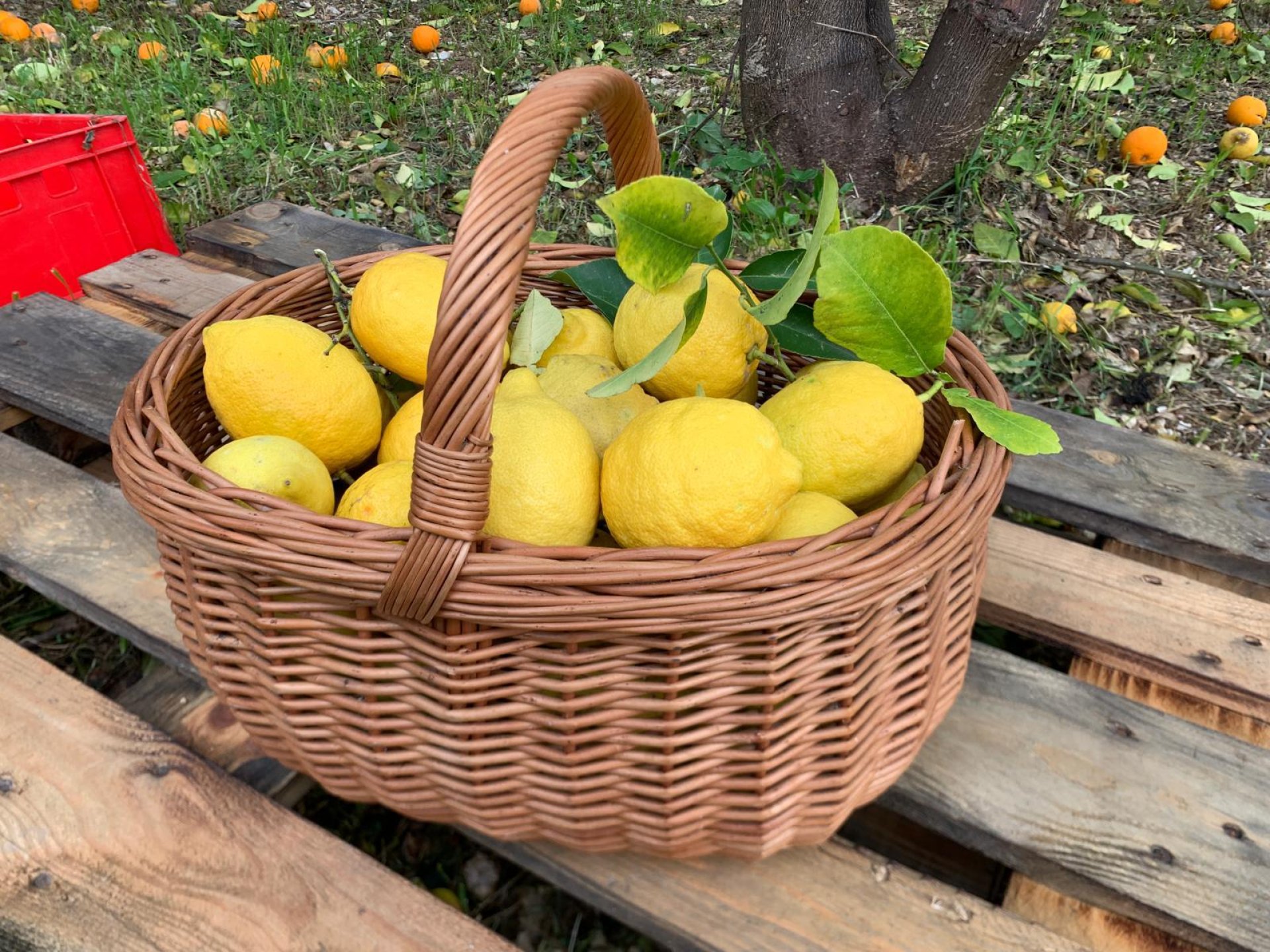
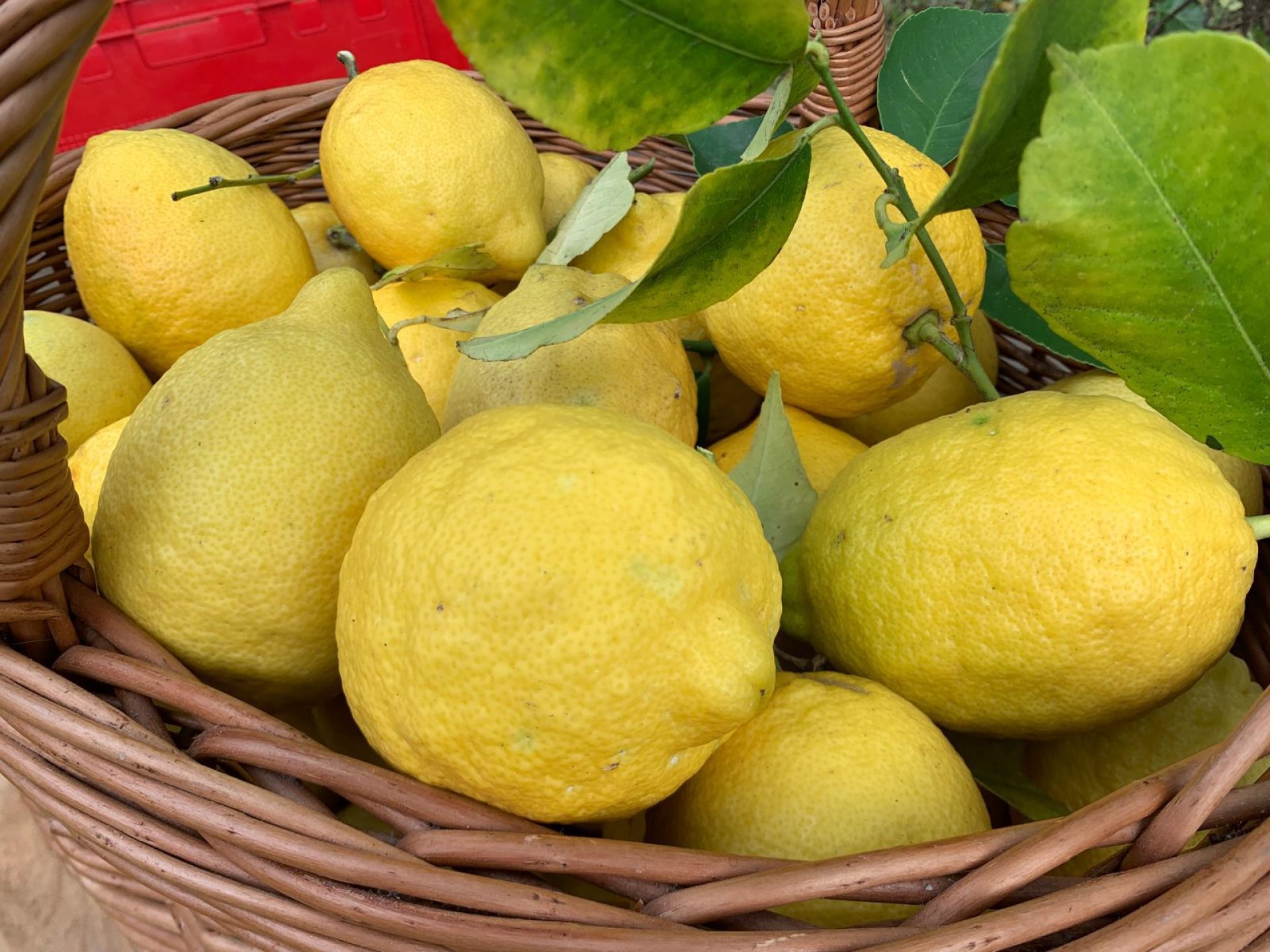

But then there’s the lemon—a fruit that seems to defy this rule. It’s available in stores practically all the time. And surprisingly, it’s not just because of warehouses and imports from halfway around the world. Lemon trees can actually bear fruit several times a year. And that’s exactly what makes their fruit one of the most interesting ingredients in our kitchen.
1. The lemon doesn’t have a single season. It blooms and bears fruit several times a year
The lemon tree (Citrus limon) commonly blooms multiple times a year in a Mediterranean climate. It possesses an excellent ability known as remontance. It even happens that the tree has both flowers and ripe fruit at the same time. In Italy, there are usually two to three harvests—spring, summer, and fall. This means that fresh European lemons aren’t just a one-time seasonal affair, but can be truly fresh at various times of the year.
While, for example, with apples we deal with storage in cold storage for months after harvest, for Mediterranean lemons, thanks to repeated flowering, there is a natural continuity. That is why we can say that the lemon is one of the few types of fruit that is available almost year-round in Europe without losing its quality.
2. It’s not just vitamin C. Lemons have more to offer than you think
Yes, lemons are best known as a source of vitamin C—a single lemon provides roughly 30–50% of the recommended daily intake. Vitamin C supports the immune system, contributes to normal collagen production (and thus healthy skin), and helps the body better absorb iron from food.
“But less is said about flavonoids and other antioxidants that help protect cells from oxidative stress. The natural acids in lemon juice also stimulate the production of digestive juices, so a few drops in water or on a salad can aid digestion. People often mistakenly think that lemons are acidic. No, lemons are alkaline! They balance the body’s pH and actually help deacidify the body. Warm—not hot—water with freshly squeezed lemon juice is the ideal drink to start the day. It’s no miracle detox, but a simple, meaningful habit,” explains popular Czech actress and farmer Petra Špindlerová, who several years ago purchased a plot of land in southern Italy with citrus, olive, and orange trees, where she spends part of the year tending to the trees and harvesting. The lemons that make their way to the Czech Republic, into the kitchens of Czech restaurants, and to customers come directly from her farm. “Moreover, the acidity of the lemon can enhance the flavor of food much like salt—so we can often use less of it,” adds Špindlerová.
3. The greatest treasure lies in the peel. If you know where the fruit comes from
Up to 90% of the aromatic oils are found in the colored part of the lemon peel. It is this part that gives desserts, pasta, or fish their characteristic fresh aroma. You can finely grate the peel into cake batter, cream cheese, homemade granola, or mix it into olive oil to create a quick flavored dressing. Strips of peel can also be added to hot tea, homemade lemonade, or when baking fish in the oven.
However, the origin of the fruit is crucial. The quality of lemons varies significantly depending on where and how they were grown—and this is where the difference lies between commonly available treated fruits and those sourced from small farmers and growers. “When we work with smaller Italian farmers, we know exactly how they grow their lemons. They aren’t chemically treated or waxed, so you can use the peel without any worries. And that’s where the best flavor lies,” says Jiří Jelínek, a Czech entrepreneur and founder of The Italians Wine Food—a project that connects lovers of quality gastronomy with small family producers of traditional ingredients and authentic craftsmanship in Prague, London, and Italy.
At the same time, he points out the other side of the coin: “These lemons have a shorter shelf life. They aren’t sprayed with fungicides or treated with wax, so you need to treat them like a fresh product. But that’s precisely the mark of quality—naturalness comes at a cost, and in this case, it’s the shelf life.”
4. How to store lemons so they last as long as possible
Untreated lemons are best stored in the refrigerator, specifically in the fruit and vegetable drawer. They do best when placed loosely in a paper bag or perforated container, which allows air to circulate while preventing them from drying out. If you leave them at room temperature, use them within a few days. Always store a cut lemon in the refrigerator—ideally wrapped in a waxed napkin, plastic wrap, or placed in a sealable glass container to prevent it from drying out and absorbing odors.
The fact that an untreated lemon softens or begins to lose its shine sooner is not a sign of lower quality, but rather the absence of chemical treatment. It’s similar to homegrown tomatoes—they don’t last as long, but they taste better.
5. It’s irreplaceable in the kitchen. And not just there
Lemon can enhance the flavor of baked fish, pasta with olive oil, grilled vegetables, and even a simple salad. A few drops added to soup just before serving will give it a fresh kick. Grated zest livens up a plain cake, cheesecake, and homemade cookies. Outside the kitchen, its natural acidity can also be put to use—for example, to remove odors from a cutting board or as part of a homemade cleaning solution with baking soda.
“In Italy, lemon is an everyday ingredient. You don’t wait for a special occasion. It’s used for almost everything—its strength lies precisely in its simplicity,” adds actress and farmer Petra Špindlerová.
A lemon may be an ordinary fruit. But when you know where it comes from, how it was grown, and how to handle it, it becomes an exceptional ingredient. It bears fruit several times a year, promotes good health, allows us to use the entire fruit, and teaches us to think about the origins of our food.
And perhaps that is precisely why it should have a permanent place in every kitchen—not just as an addition to tea, but as a daily blend of flavor, health, and honest craftsmanship.