Why is it worth taking an interest in where your meat comes from?
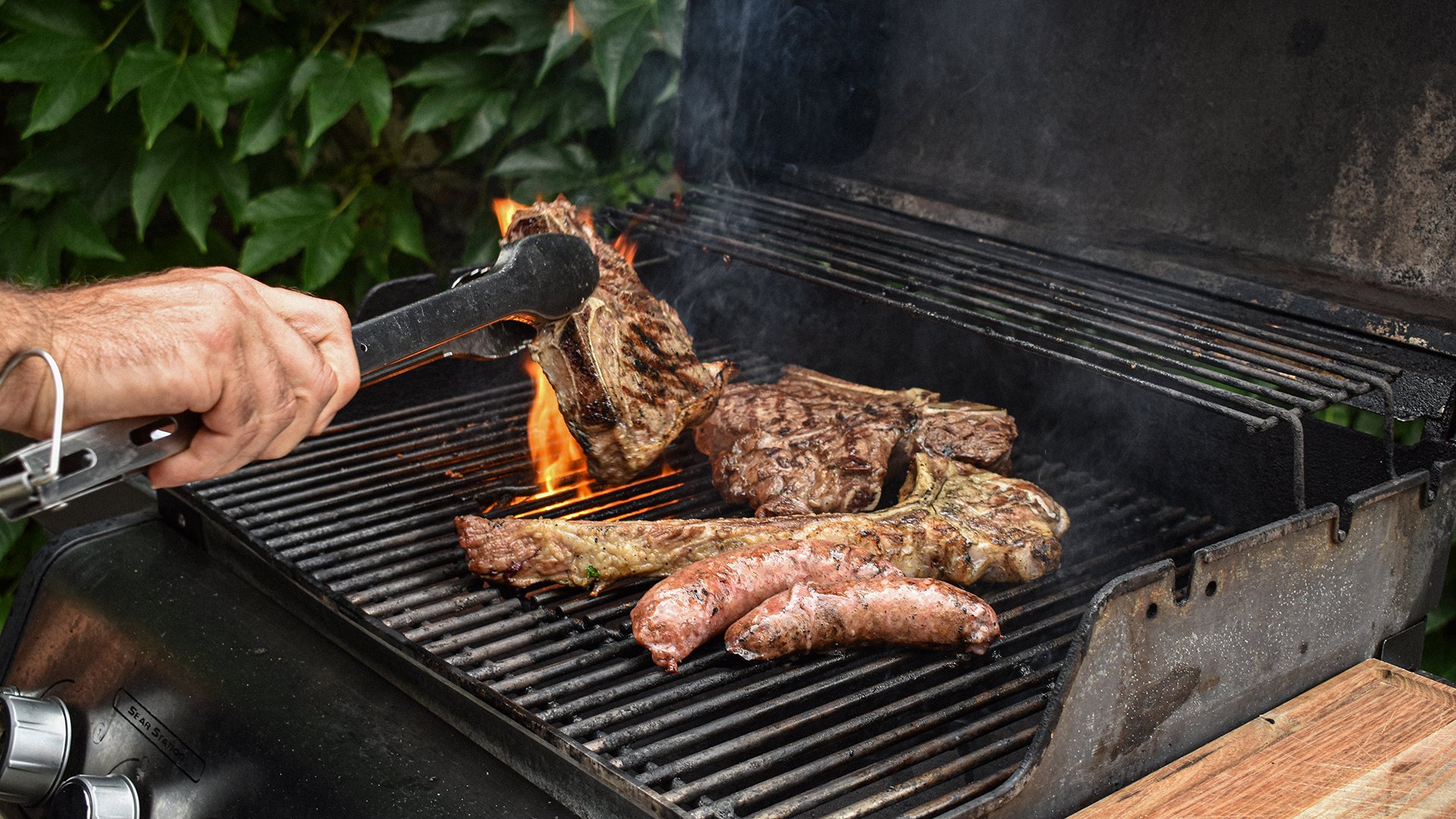
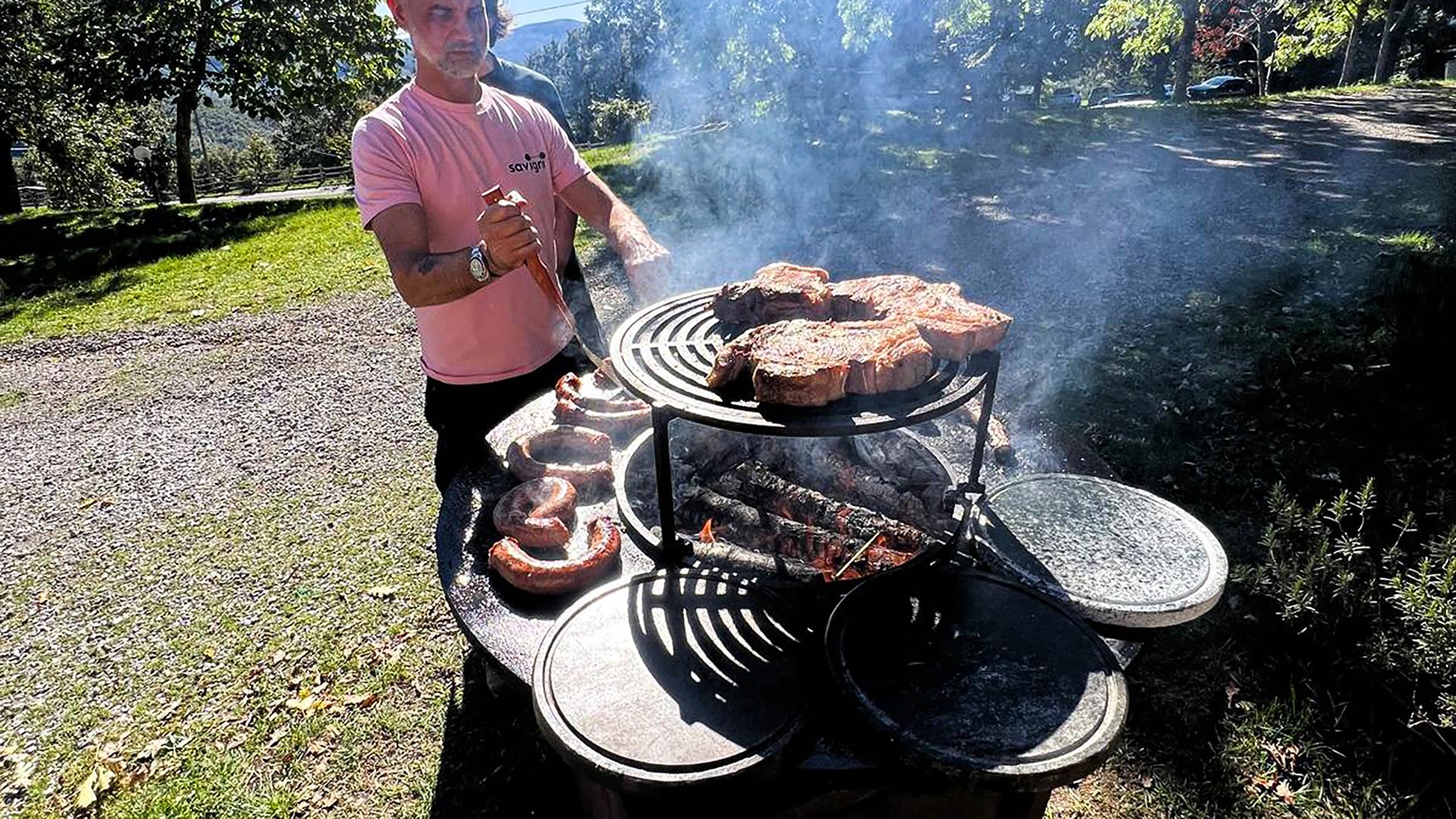
When we think of summer, most of us picture long evenings, a sizzling barbecue and the aroma of juicy meat. Whether you prefer a rustic T-bone steak, a tender sirloin, a juicy tomahawk or Italian salsiccia, one thing always holds true – the quality of the ingredients is what ultimately determines the result.
Good meat doesn’t need lengthy preparation, complicated marinades or strong sauces. All it takes is a pinch of salt and a few drops of good-quality olive oil. After all, the flavour of the meat begins long before it hits the barbecue.
HOW REARING METHODS AFFECT MEAT QUALITY
Many factors influence the flavour, texture and juiciness of meat. It’s not just about the breed itself, but also where and how the animals live, what they’re fed, how much exercise they get and how quickly they grow.
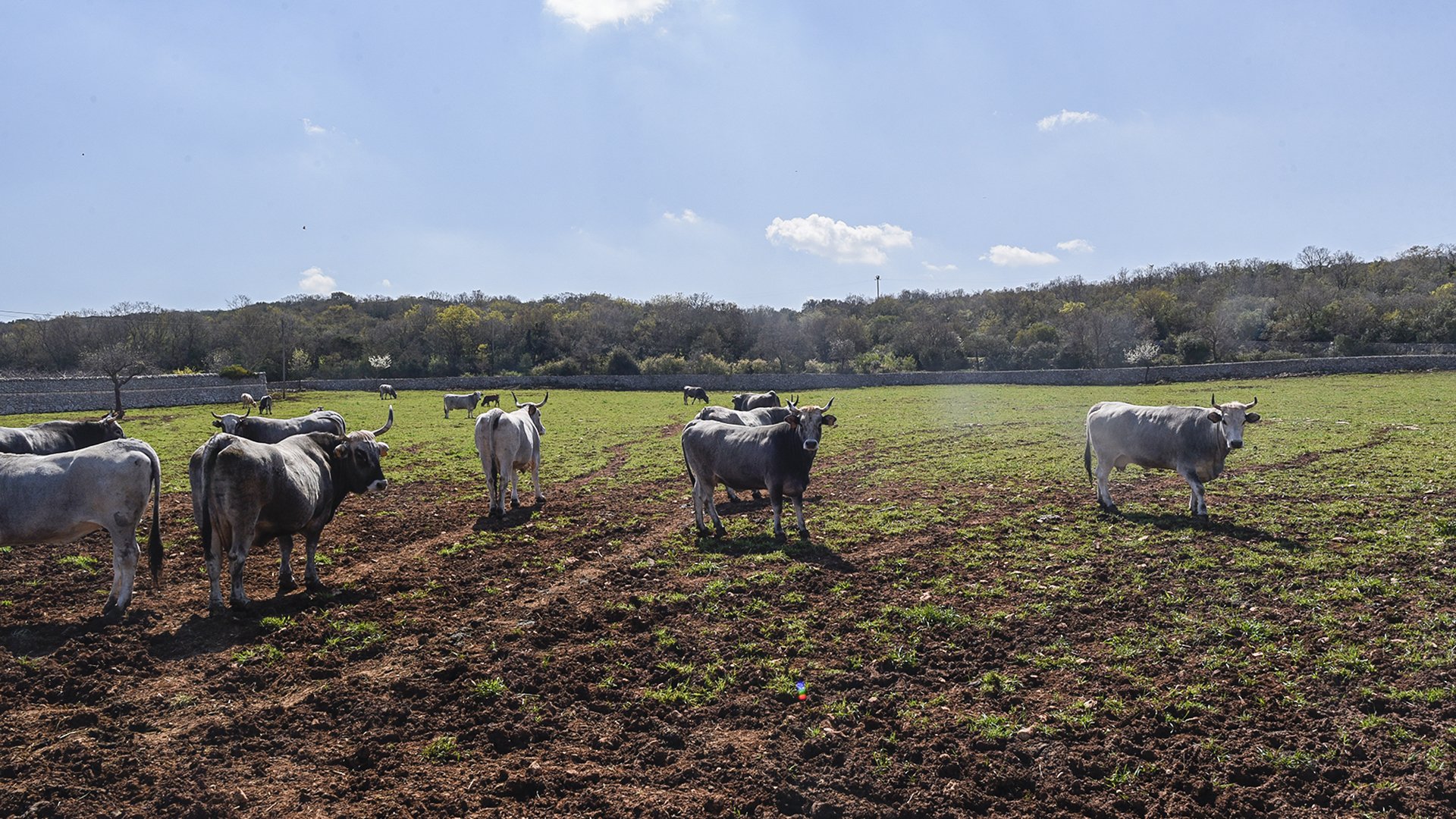
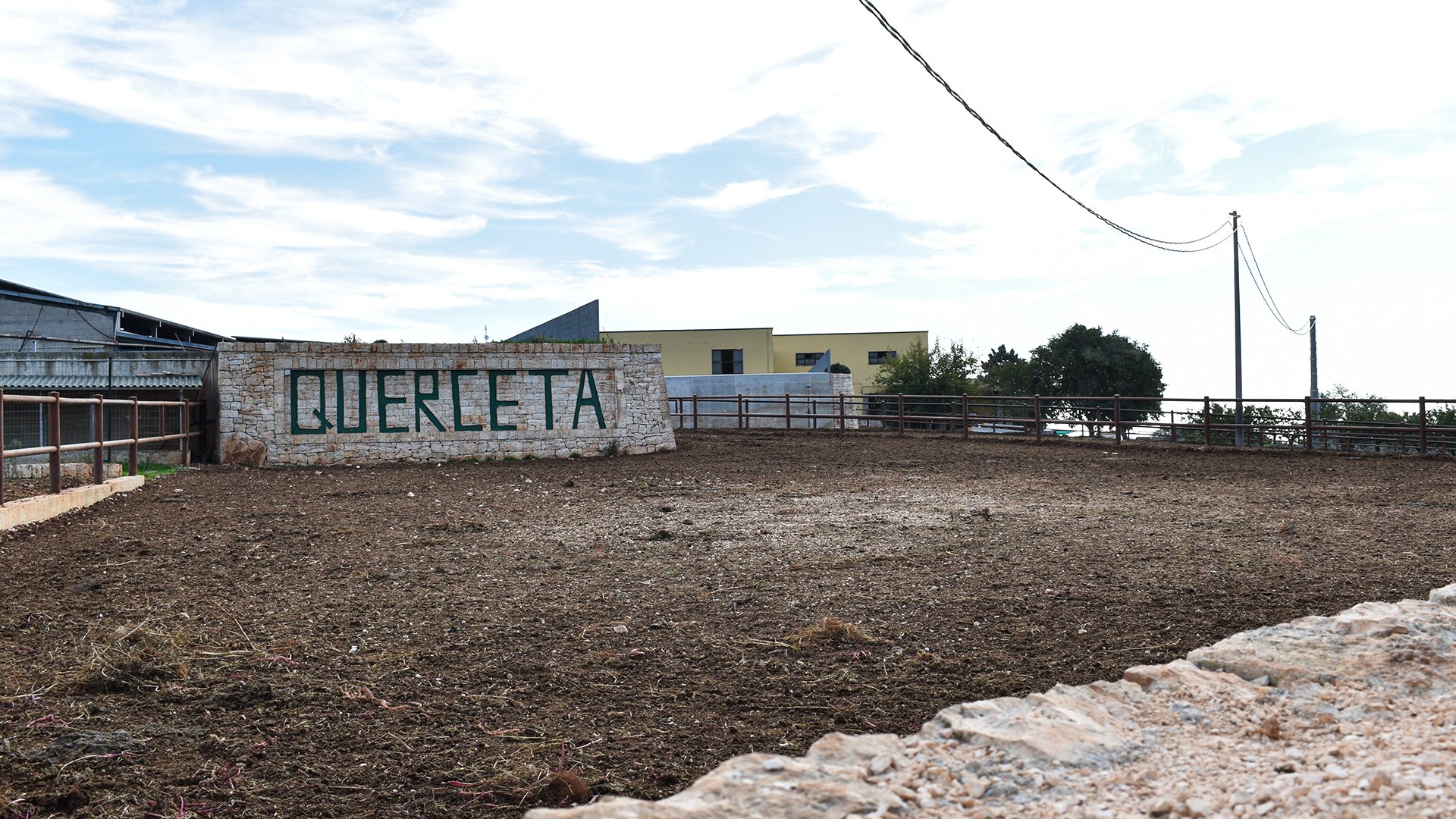
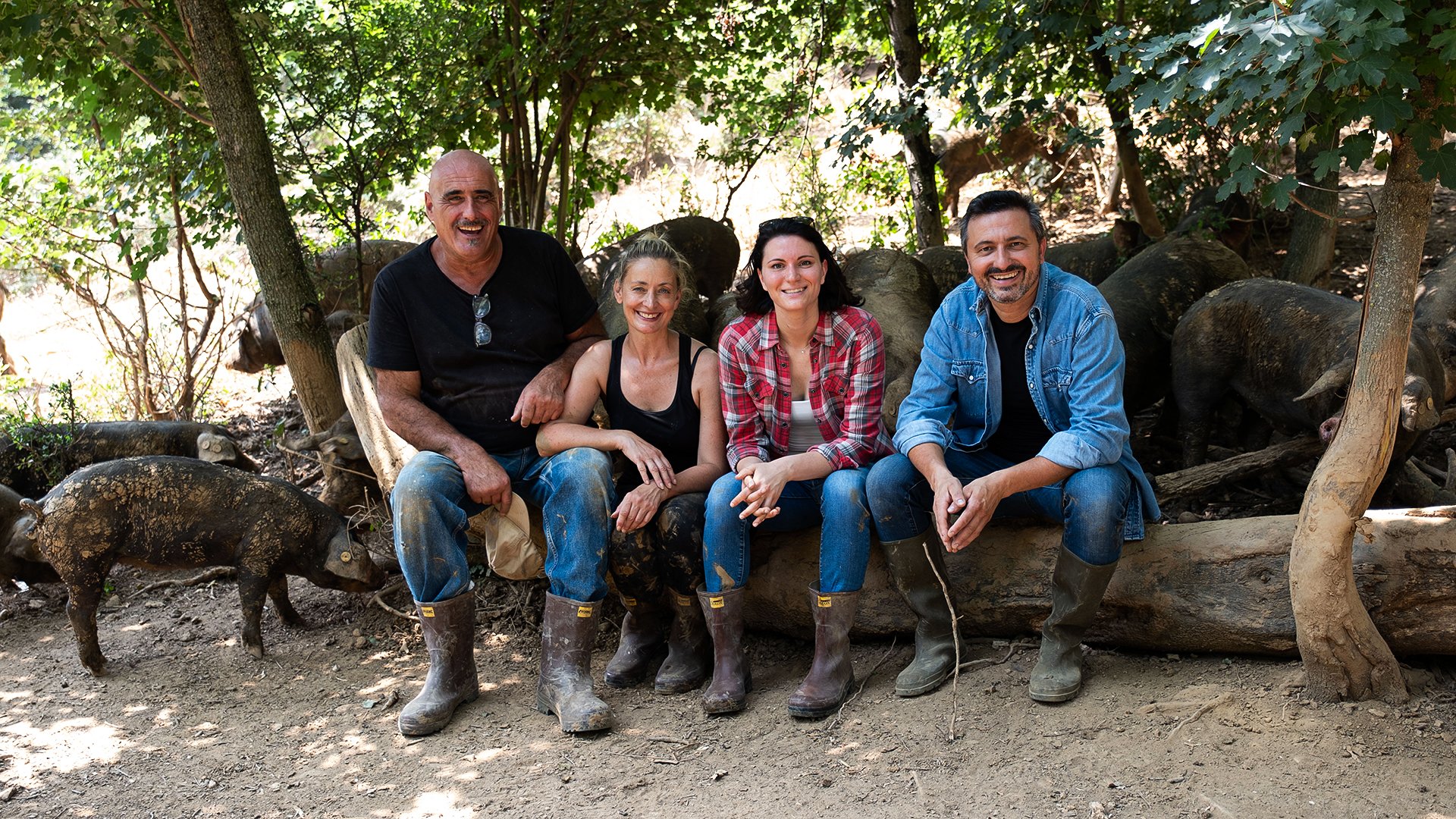
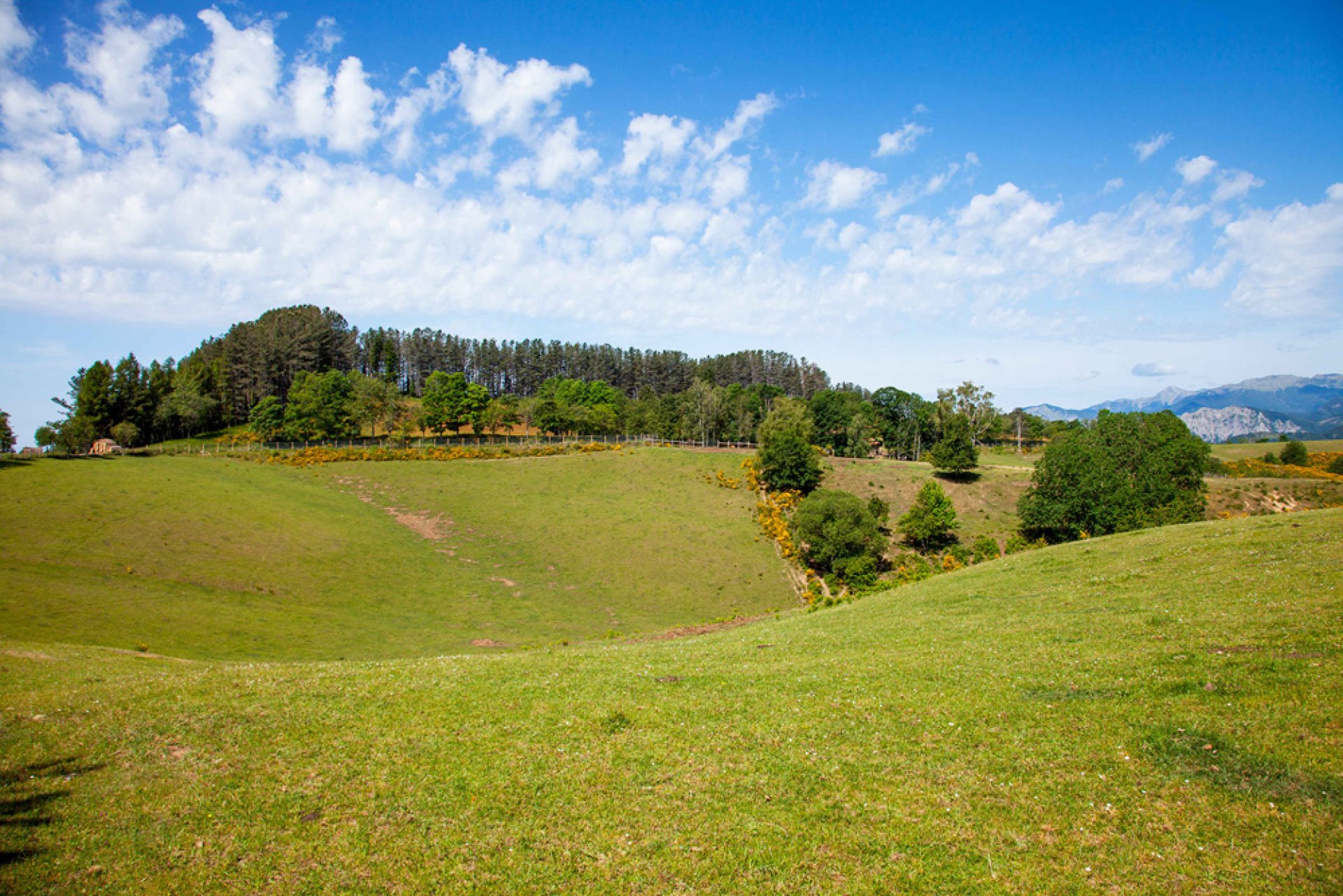
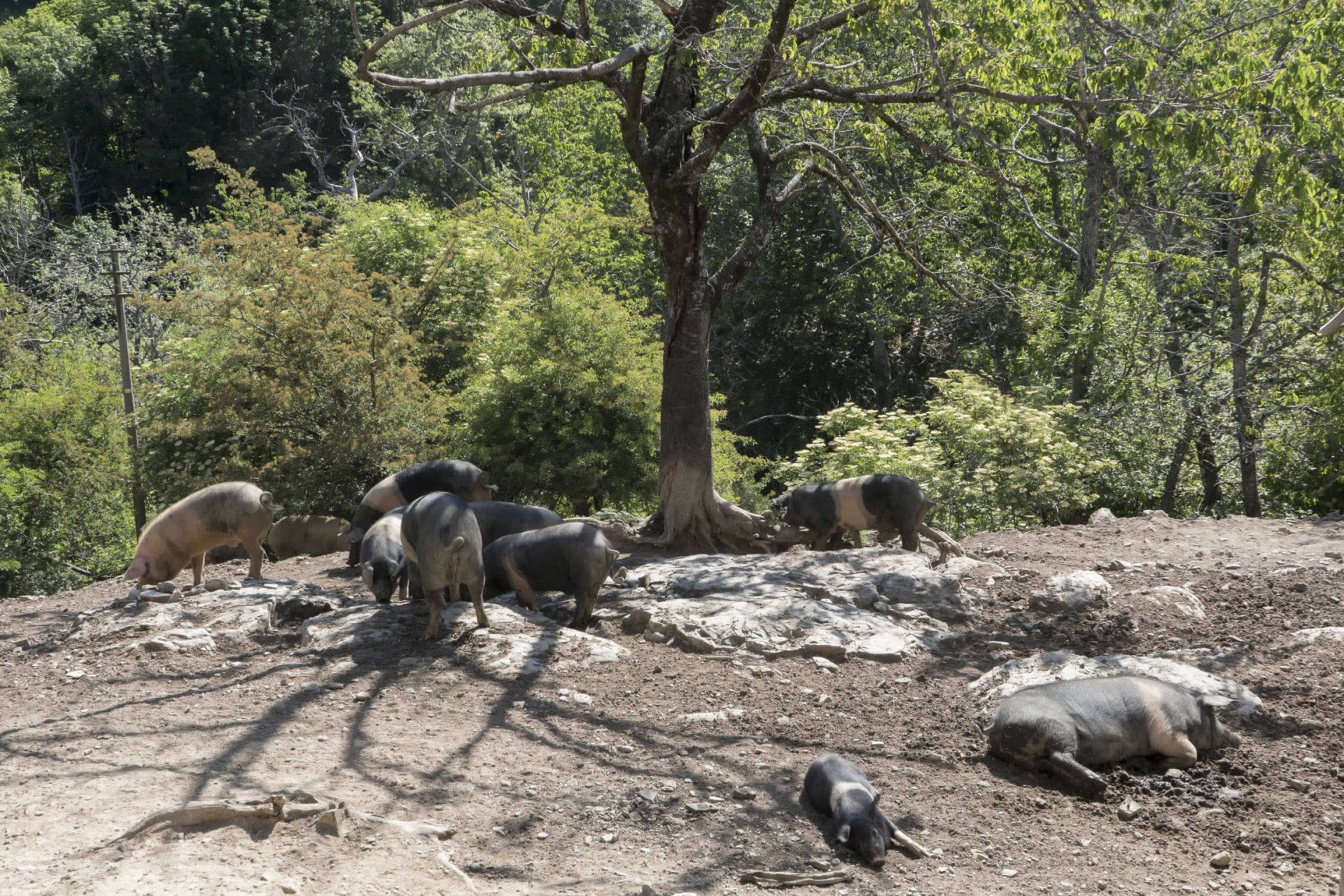
Farmers such as Savigni, Querceta and Chiapella, whose meat you’ll find here, know this well. They know their herds inside out, monitor their condition and provide them with daily care. They allow them to grow slowly, naturally and without stress. Their animals live in open paddocks and on pastures, where they have plenty of space and can move about naturally. They feed mainly on pasture, hay and various wild herbs, acorns and berries, or even whey from cheese production.
Furthermore, the meat is processed directly at the farm to minimise unnecessary animal transport and preserve the most natural farming methods possible.
It is precisely the ample exercise, slower growth, a varied natural diet and on-site processing that are reflected in the meat’s qualities. It has a firmer texture, a more distinctive flavour, and contains high-quality protein, vitamins and unsaturated fatty acids; when prepared correctly, it remains beautifully juicy.
FOUR INDIGENOUS ITALIAN BREEDS WORTH DISCOVERING
Italy is not only famous for its wine, cheese and olive oil. For centuries, there has also been a tradition of rearing indigenous breeds of cattle and pigs, which are adapted to the local landscape and conditions. Each region has its own distinctive characteristics – and with them, meat with a different character.
Fassone Piemontese – tender beef from Piedmont
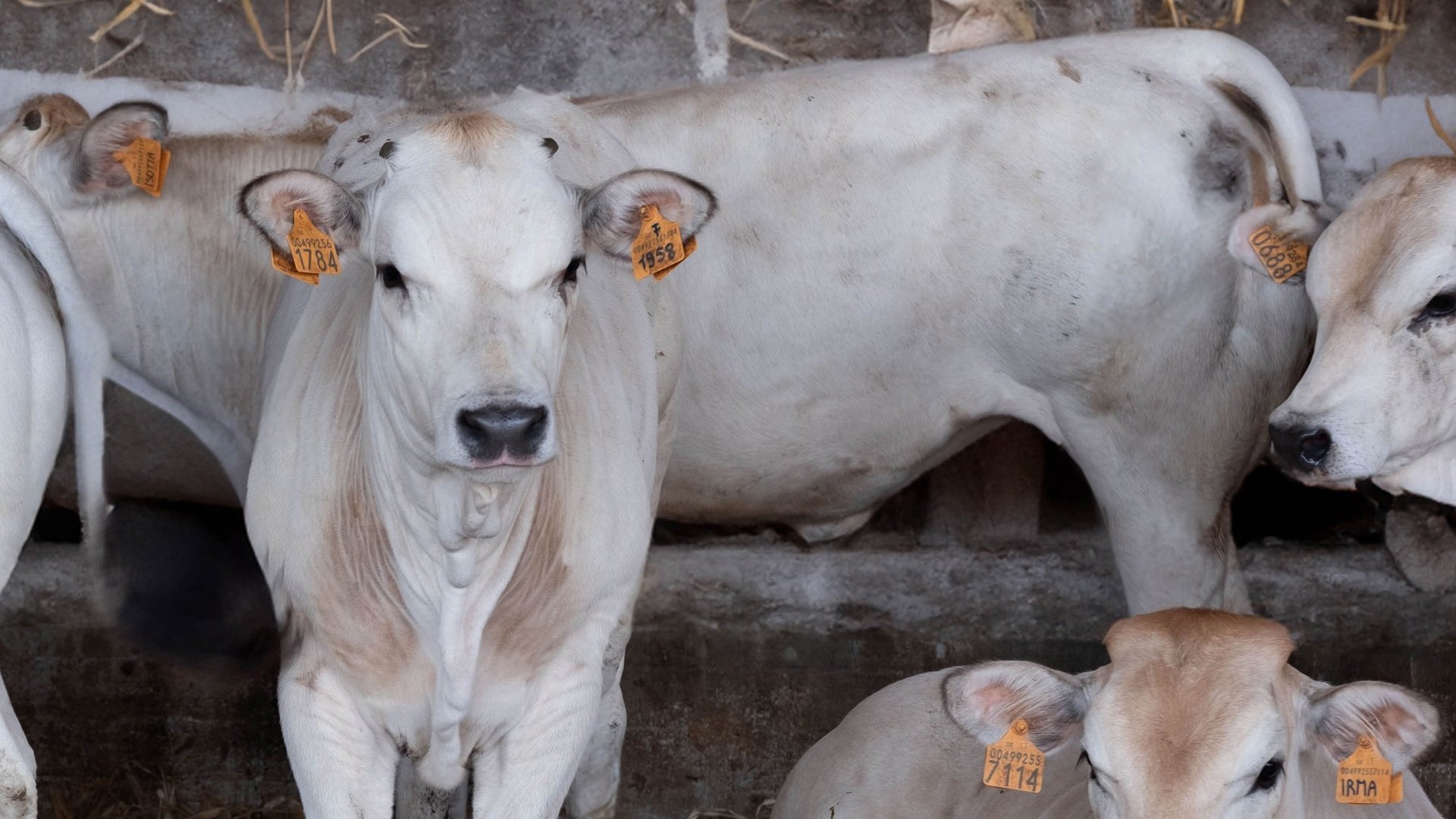
Fassone Piemontese is one of the best-known Italian cattle breeds. It is reared primarily in the Piedmont region, where the animals benefit from mountain pastures, clean air and natural forage.
Fassone beef is very tender (especially that from young heifers), lean and has a delicate flavour. Although it contains less fat, it remains juicy and, thanks to its fine texture, is ideal for steaks or quick grilling.
Podolica – the distinctive flavour of southern Italy
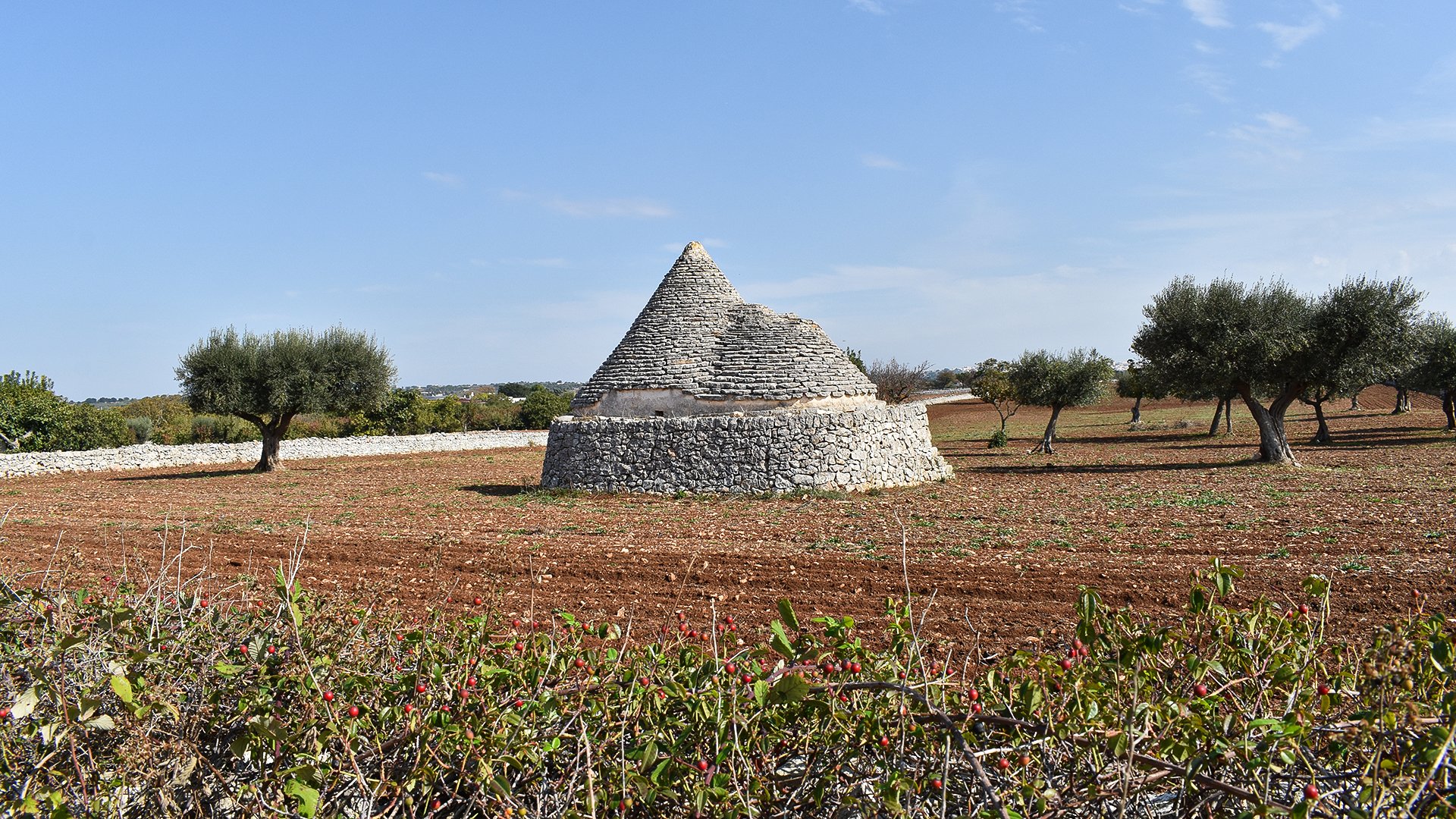
Podolica is an ancient breed of cattle found mainly in the southern regions of Italy, such as Puglia. It does not tolerate confined spaces, so the cattle are reared exclusively outdoors, where they feed on wild Mediterranean vegetation. The meat has a firmer texture, low fat content and a more distinctive flavour. It is rich in iron and contains health-promoting linoleic acid. It will be particularly appreciated by those who enjoy beef with a distinctive character.
Chianina – the famous steak from Tuscany
The Chianina is one of the oldest breeds of cattle in the world. It originates from the Val di Chiana region in Tuscany and Umbria, where it has been bred for over two thousand years.
It is renowned for its size, fine-grained muscle fibre and high-quality, low-fat meat. It is also from the Chianina that one of Italy’s most famous steaks originates – Bistecca alla Fiorentina, a traditional Tuscan steak prepared from a thick, T-shaped cut of meat on the bone.
Cinta Senese – Italy’s oldest breed
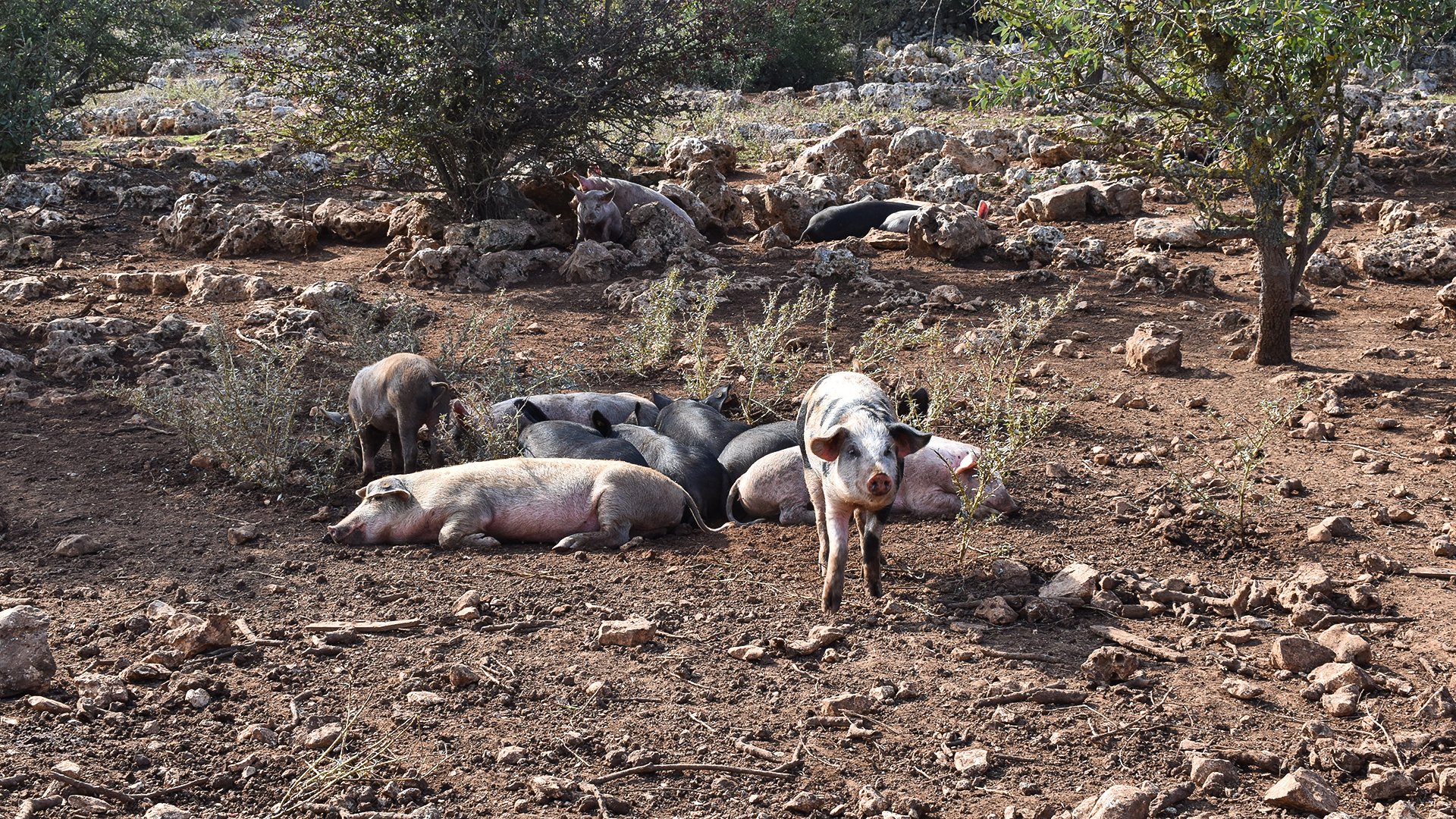
The Cinta Senese is the Italy’s oldest breed of pig and is protected by the DOP designation of origin. It is reared exclusively in Tuscany, often in free-range or semi-wild conditions.
The pigs roam through woods and pastures, where they feed on roots, herbs, acorns, chestnuts and truffles. The result is a darker, aromatic meat with pronounced marbling, prized for its juiciness and distinctive flavour.
WHY DOES IT MATTER?
Meat from free-range farming has its own unique character. Each cut tastes slightly different, reflecting both the landscape in which it was reared and the work of the people who care for the animals. At the same time, this approach to farming helps to sustain traditional farms, promote a more sustainable approach to the countryside and preserve native breeds. Free-range farming, respect for animals and working in harmony with local conditions are not just a matter of meat quality, but also a way of preserving the diversity and traditions of the Italian countryside.