How the seasonality of goat's milk affects the taste and availability of cheese
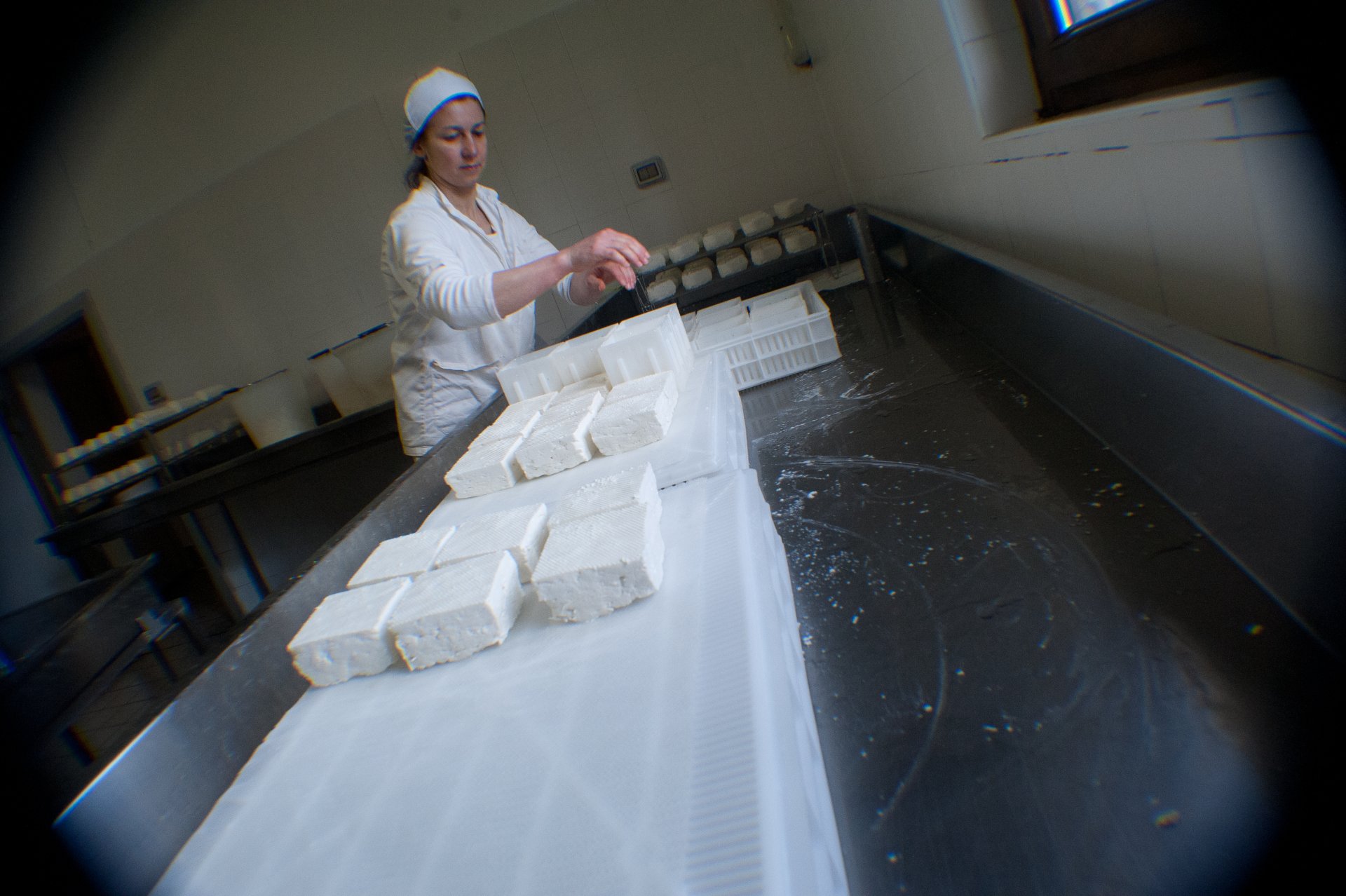
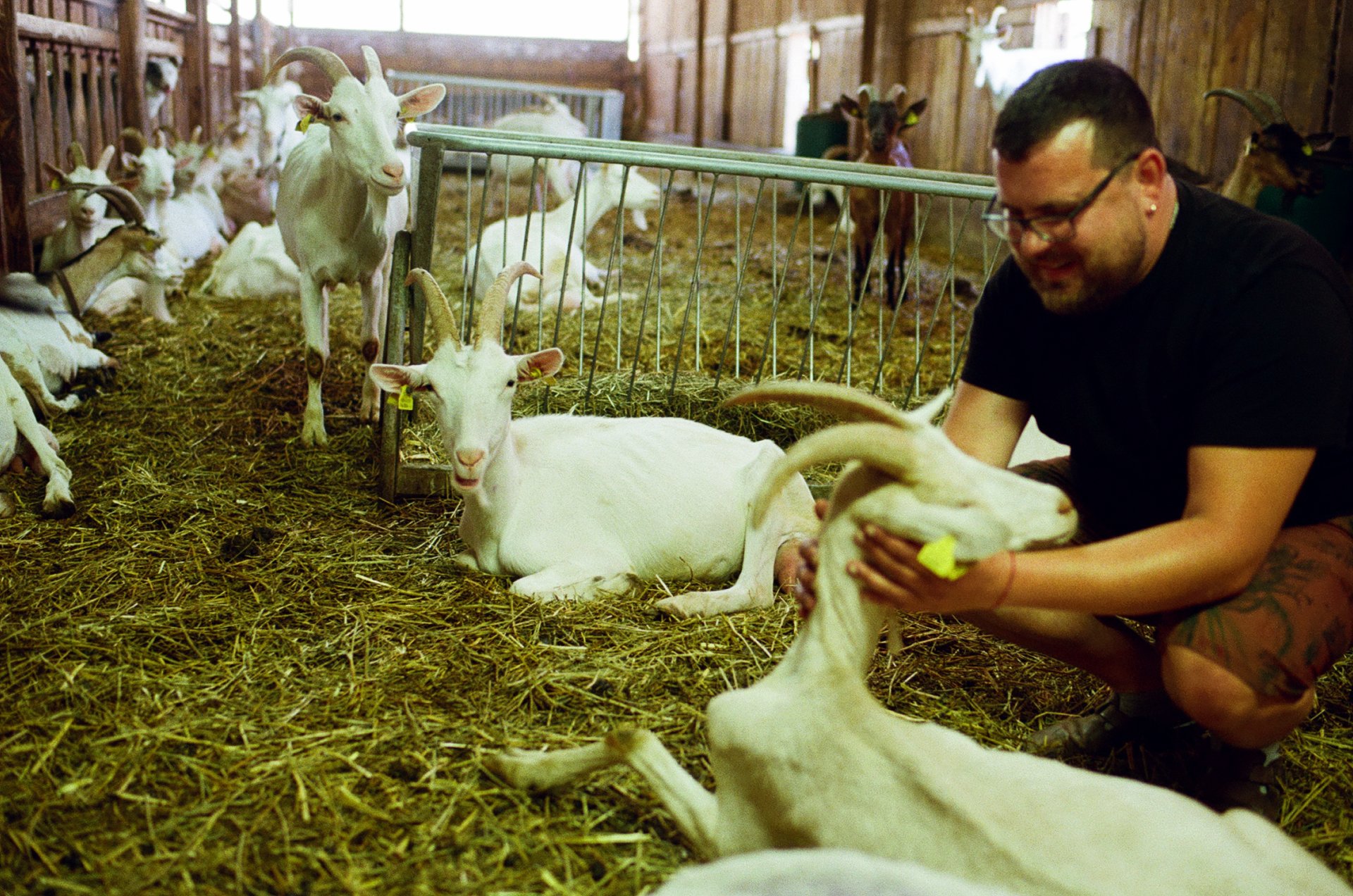
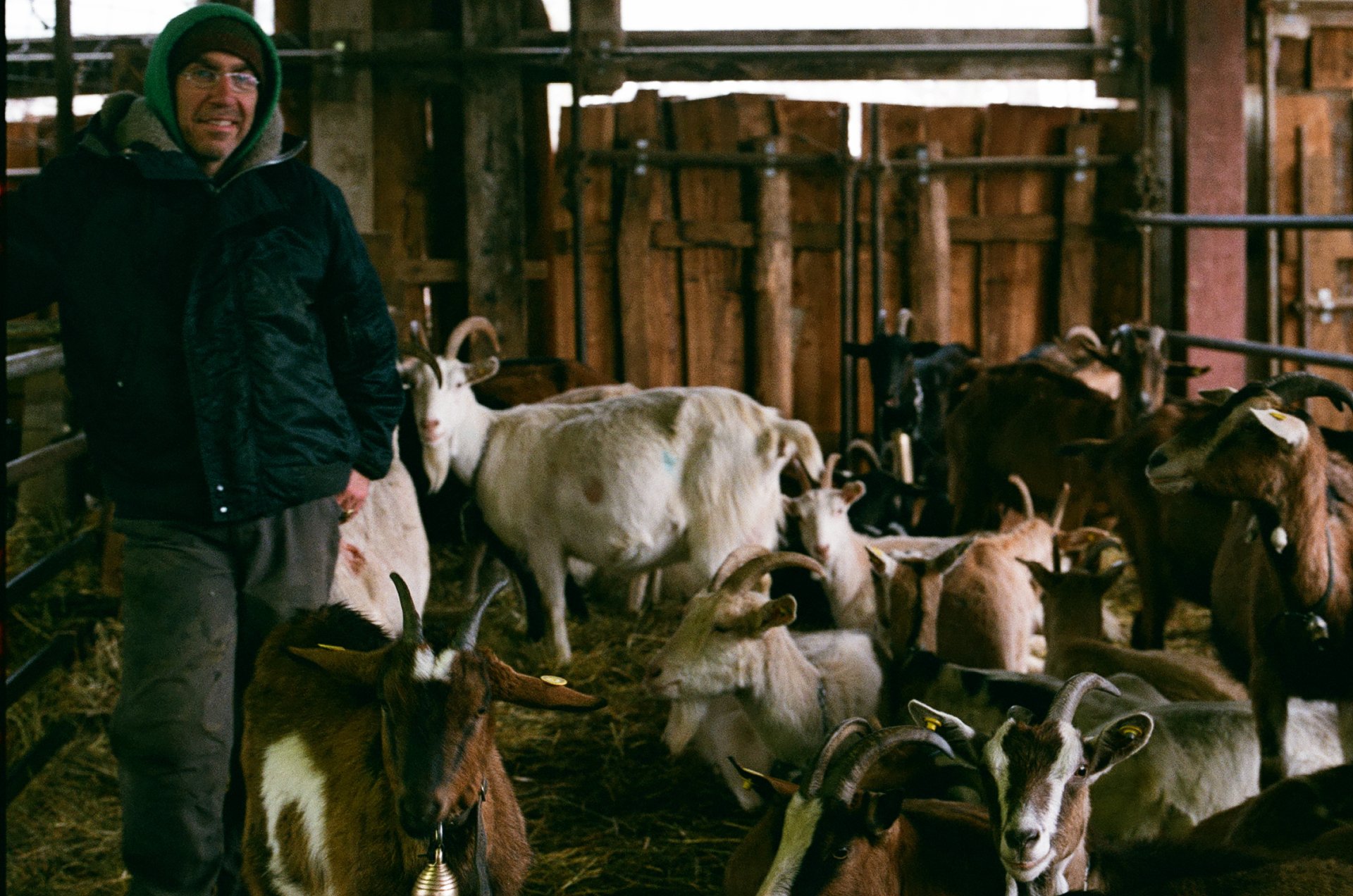
Our goat cheese suppliers, such as La Servaja, Il Boscasso, Monte Jugo, and Lo Puy, are not only cheese makers but also breeders. Unlike large industrial producers, they only use milk from their own herds, which they care for meticulously, respecting the natural cycles of the animals and refraining from artificially influencing them with hormones, for example. They prioritize quality over year-round availability. Milk production, which is already very low in these farms (each goat produces only about 1 liter of milk per day compared to 4 liters in intensive farms), stops completely in winter.
Goats are seasonal animals that usually give birth in late winter/early spring (February to April). In order to give birth, they are no longer milked at the end of autumn/beginning of winter. This allows their bodies to regenerate and prepare for pregnancy and birth. In winter, the amount of goat's milk produced decreases significantly or is not milked at all. Due to the limited availability of fresh pasture, the milk also has a different composition, which affects the taste and texture of the cheese.
In winter, you will therefore mainly find mature goat's cheeses made from nutritious, aromatic and usually unpasteurized milk collected during the main season, when the herds graze freely on lush meadows, nibbling on wild bushes and aromatic herbs, whose flavor you can taste in these cheeses.